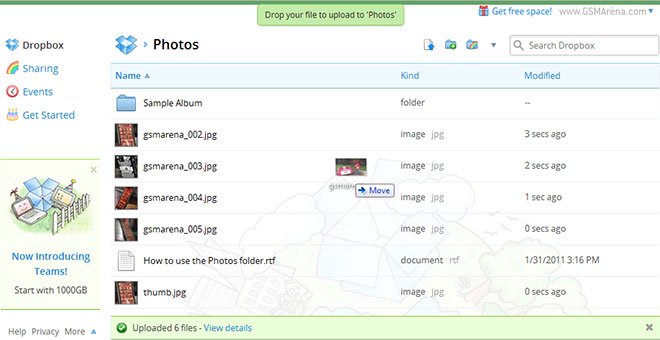
Imagine effortlessly moving files, images, or even snippets of text across your screen with a simple gesture, streamlining your workflow and boosting your daily efficiency. This isn't just a convenience; it's the core of Drag and Drop Functionality on Chromebooks, a fundamental interaction that transforms how you manage your digital life. Whether you're organizing a burst of download files, crafting a presentation, or compiling research, mastering this intuitive feature can dramatically reduce clicks, cut down on tedious copy-pasting, and free up your mental bandwidth for more important tasks.
No longer relegated to the realm of desktop operating systems, drag and drop is a powerful, built-in capability on every Chromebook, designed to make your interaction with Chrome OS as fluid and productive as possible. It’s about more than just moving things; it’s about creating a truly seamless bridge between your ideas and their digital execution.
At a Glance: Key Takeaways
- Effortless Movement: Drag and drop allows you to move files, text, and images between applications and folders using your trackpad, mouse, or touchscreen.
- Boosts Productivity: It simplifies tasks like file organization, document creation, and content sharing, saving time compared to traditional copy/paste methods.
- Multiple Methods: Learn how to drag and drop using a trackpad (standard click-and-hold or two-finger tap), an external mouse, or directly on a touchscreen.
- Troubleshooting Common Issues: Understand how to resolve problems like accidental drops, sensitivity issues, or compatibility challenges.
- Advanced Tips: Discover how to select multiple items, use accessibility features, and navigate drag and drop between different apps and cloud services.
- Accessibility Options: Explore features like "drag lock" to enhance control and prevent accidental releases, making the process smoother for everyone.
The Unsung Hero of Digital Workflow: Why Drag and Drop Matters
In the fast-paced digital world, every second counts. Traditional methods of moving information—like laboriously copying and pasting, or navigating through multiple menu options—can quickly add up to significant time drains. This is where drag and drop functionality steps in, acting as an unsung hero that dramatically enhances your workflow, efficiency, and overall productivity on a Chromebook.
At its heart, drag and drop is about direct manipulation. Instead of abstract commands, you're visually picking up an item and placing it where it belongs. This intuitive interaction mirrors how we handle physical objects, making it incredibly easy to learn and implement. Think about tidying up your physical desk; you simply pick up a document and place it in its correct folder. Drag and drop translates that immediate, physical action into your digital environment, making tasks feel less like a chore and more like a natural extension of your intent.
From managing your ever-growing collection of downloaded files to compiling sources for a research paper, or even quickly adding an image to an email, drag and drop cuts out unnecessary steps. It reduces cognitive load, allowing you to focus on the content rather than the mechanics of moving it around. This isn't just about speed; it's about making your interaction with your Chromebook genuinely more intuitive and, dare we say, enjoyable.
Mastering the Mechanics: How to Drag and Drop on Your Chromebook
Regardless of whether your Chromebook boasts a sleek touchscreen or you prefer the tactile precision of a mouse, there's a drag and drop method tailored for you. Understanding each technique ensures you're always operating at peak efficiency.
1. The Classic Trackpad Maneuver
This is the most common method for most Chromebook users and relies on your built-in trackpad. It's a simple two-step process that, once mastered, becomes second nature.
- Step 1: The Grab. Hover your cursor over the item you wish to move—be it a file icon, a photo, or a highlighted block of text. Now, press down on your trackpad with one finger and hold that pressure. You'll feel a slight click, indicating the item is "selected" and ready to be moved.
- Step 2: The Glide and Drop. While maintaining pressure with that first finger, use a second finger on the trackpad to move the cursor. This will drag the selected item across your screen. Guide it to its desired new location, whether that's an open folder, another application window, or even a new tab in your browser. Once the item is positioned exactly where you want it, simply lift your first finger from the trackpad to "drop" it.
2. The Two-Finger Tap and Drag (Trackpad Alternative)
For some, maintaining pressure while dragging with a separate finger can feel a bit awkward initially. Chromebooks offer an alternative trackpad method that might feel more comfortable:
- Step 1: Initial Selection. Lightly tap the trackpad with two fingers simultaneously. This often acts as a right-click or contextual menu activator, but for drag and drop, it initiates a different mode.
- Step 2: Drag with One. Immediately after the two-finger tap, remove one finger and use the remaining finger to drag the item. The trackpad interprets this sequence as a "click-and-lock" for dragging.
- Step 3: Release. Lift your finger once the item is in place.
Experiment with both trackpad methods to see which feels most natural and efficient for your personal style.
3. Precision with an External Mouse
If you prefer the dedicated control of an external mouse, the drag and drop process is exactly what you'd expect from any other operating system.
- Step 1: Point and Click. Position your mouse cursor over the item you want to move.
- Step 2: Hold and Drag. Press and hold down the left mouse button.
- Step 3: Release. Move the mouse to guide the item to its new location, then release the left mouse button to drop it. This method offers unparalleled precision, especially when dealing with intricate layouts or small targets.
For more on foundational mouse actions, you might find our guide on left-clicking on Chromebook helpful for solidifying your basic navigation skills.
4. Direct Interaction with a Touchscreen
For those with a 2-in-1 Chromebook or a dedicated touchscreen model, the most intuitive method is direct manipulation.
- Step 1: Touch and Hold. Using your finger, gently touch and hold down on the item on your screen. After a brief moment, you'll usually see a subtle visual indicator that the item is "lifted" and ready to be moved.
- Step 2: Drag. Without lifting your finger, drag the item across the screen to its new destination.
- Step 3: Release. Lift your finger from the screen to drop the item. This method feels remarkably natural, akin to physically moving objects on a table.
The Transformative Benefits of a Drag-and-Drop Workflow
Beyond mere convenience, integrating drag and drop into your daily Chromebook routine unlocks a host of productivity advantages. It's not just a feature; it's a philosophy of direct and efficient interaction that redefines how you complete tasks.
- Increased Efficiency: The most immediate benefit. By eliminating the multi-step processes of copying, pasting, or using save-as dialogues, you drastically cut down the time it takes to move content. This means more done in less time, whether you're compiling research or just tidying up your downloads folder.
- Improved Workflow: Drag and drop helps create a smoother, more continuous flow for your tasks. Instead of breaking your concentration to navigate menus, you can keep your focus on the content itself. This is particularly valuable for tasks that involve moving information between multiple windows or applications.
- Enhanced Productivity: Faster task completion directly translates to higher productivity. When you can quickly organize files, embed images, or rearrange document sections, you spend less time on mechanics and more time on the substance of your work.
- Intuitive Operation: The visual and direct nature of drag and drop makes it incredibly easy to learn and master. It mimics real-world actions, reducing the cognitive load and making your Chromebook feel more responsive to your intentions.
- Easy Accessibility: Quickly access and share files by simply dragging them to an email attachment field, a messaging app, or a shared cloud folder. It removes barriers to sharing information efficiently.
- Automation (of sorts): While not true automation, drag and drop simplifies repetitive multi-step tasks into a single, fluid gesture. Think about repeatedly moving screenshots into a specific project folder – what once took several clicks per file now takes one continuous action.
- Improved Organization: Effortlessly organize your files and folders. You can drag documents into nested folders, move images into specific galleries, or rearrange elements within a creative project, all with a fluid motion. This visual organization makes file management less of a chore.
- Enhanced Collaboration: When working with shared documents or cloud storage like Google Drive, drag and drop facilitates sharing and editing among users. Quickly add a file to a shared folder or drop an image into a collaborative presentation, accelerating team projects.
Advanced Maneuvers: Taking Your Drag and Drop Skills Further
Once you're comfortable with the basics, a few expert tips can elevate your drag and drop game, making you even more adept at managing your digital workspace.
- Select Multiple Items: Need to move a whole batch of photos or documents? No problem. In your Files app (or most compatible applications), click on the first item to select it. Then, hold down the
Ctrlkey (orCmdif you're using a specific keyboard layout) and click on any other items you want to include in your selection. Once all desired items are highlighted, releaseCtrl/Cmd, then click and hold on any one of the selected items, and drag the entire group to your desired destination. - Dragging to Google Drive: Yes, you can seamlessly drag files from your Chromebook's local storage directly into your Google Drive folders. Just open your Files app, open your Google Drive in a browser tab or the Drive app, and drag from one window to the other. Ensure you have a stable internet connection and the necessary permissions for the destination folder. If you encounter issues, a quick refresh of the Google Drive page can often help.
- Between Different Applications: The beauty of Chrome OS is its interoperability. You can often drag and drop content between different apps. For example, drag an image from your Files app directly into a Google Docs document or a Google Slides presentation. You can also select text from a website and drag it into a Google Keep note or an email draft. Experiment with your favorite apps to discover new efficiencies.
- Dragging Text: Selecting text is often the first step in copying and pasting, but it's also perfect for drag and drop. Highlight the desired text, then click and hold with your trackpad/mouse or touch and hold on a touchscreen. Now, simply drag the selected text to a new location within the same document, to a different application, or even to a search bar.
- PDF to Chrome: Have a PDF you want to view quickly? Instead of navigating through menus, simply open your Files app, then click and drag the PDF file onto Chrome's address bar or a new blank tab. Chrome will automatically open and display the PDF for you.
- Android Apps Compatibility: Many Android apps on your Chromebook are designed to integrate well with Chrome OS's drag and drop capabilities. You can often drag files from your Files app directly into Android photo editors, document apps, or communication platforms. However, compatibility can vary, so a quick test is always a good idea.
- Accessibility Features: Chromebooks offer several accessibility features that can make drag and drop easier, especially for those who find maintaining pressure challenging. Look for a "drag lock" feature within your Chromebook's Accessibility settings. This allows you to "lock" an item in a dragged state after a single click, meaning you don't have to keep holding down the button or trackpad. A second click then releases the item. This can significantly improve control and prevent accidental drops.
Troubleshooting Common Drag and Drop Hiccups
Even the most intuitive features can occasionally throw a curveball. If your drag and drop isn't behaving as expected, don't fret. Here’s how to diagnose and resolve common issues:
- Insufficient Pressure or Accidental Release: This is perhaps the most common beginner's mistake. If you lift your finger too soon or don't apply enough consistent pressure to the trackpad, the item will drop prematurely. Practice maintaining firm, continuous pressure throughout the drag motion.
- Trackpad Sensitivity Woes: Sometimes, your trackpad might be too sensitive or not sensitive enough for your comfort. You can adjust this in your Chromebook's settings:
- Click on the time in the bottom-right corner of your screen.
- Select the Settings gear icon.
- Scroll down to the "Device" section and click on Touchpad (or Mouse and touchpad).
- Here, you can adjust the "Touchpad speed" to find a setting that feels just right for your movements.
- Software Glitches: Technology isn't perfect. A temporary software glitch can sometimes interfere with functionality. The simplest and often most effective solution is to restart your Chromebook. This clears temporary memory and reloads the operating system, resolving many minor issues.
- File Permission Issues: If you're trying to drag a file into a specific folder and it's not working, check the permissions for that destination. This is particularly relevant when dealing with shared Google Drive folders or network drives where you might have "read-only" access. Ensure you have editing rights for the target location.
- Browser Extension Interference: Some aggressive browser extensions, especially those related to gestures, security, or ad-blocking, can sometimes interfere with standard browser functionality, including drag and drop within web pages. Try temporarily disabling your browser extensions one by one to identify if one is causing the issue.
- Open Chrome.
- Click the three-dot menu (top right) > More tools > Extensions.
- Toggle extensions off to test.
- Compatibility Quandaries: While drag and drop is broadly compatible, sometimes dragging between very different programs or systems (e.g., a specific legacy web app and a modern Chrome OS application) might encounter compatibility issues. If a particular pairing consistently fails, consider using copy/paste as a fallback.
- Inaccurate Storage/Data Loss: The biggest pitfall of drag and drop is misplacing an item. Always double-check the destination folder or application window before you release the item. Once dropped, an item cannot be immediately "un-dragged." In some cases, accidentally dropping a file into an existing one could lead to overwriting, so exercise caution. Always be mindful of the "shadow" or visual cue indicating where the item will land.
- Security Risks: Be cautious when dragging content from unsecured websites, especially if it involves executable files or personal data. While Chrome OS has robust security, dragging from suspicious sources could inadvertently expose your system or transfer unwanted content. Always ensure the source is trusted.
- Slow/Laggy Performance: If drag and drop feels sluggish or unresponsive, it might be a symptom of an overburdened system.
- Close unnecessary tabs and apps: Each open tab and app consumes resources.
- Clear your browser cache and history: This can free up system memory.
- Check your internet connection: If you're dragging files to cloud storage (like Google Drive), a slow or unstable connection can cause delays.
- Feature Stops Working Entirely: If drag and drop completely ceases to function:
- Restart your Chromebook: This is always the first troubleshooting step.
- Check for Chrome OS updates: Ensure your system is running the latest version. Go to Settings > About Chrome OS > Check for updates.
- Consider a factory reset: As a last resort, if all other steps fail, you might need to perform a powerwash (factory reset). Crucially, back up all your important data to Google Drive or an external drive first, as this will wipe everything from your device.
- Disabling Drag and Drop: While there's no direct setting to disable drag and drop entirely in Chrome OS (as it's a fundamental interaction), you can mitigate accidental drags by adjusting trackpad sensitivity or enabling accessibility features like "drag lock." These options provide more control without completely removing the functionality.
- Resetting Trackpad Settings: If you've tinkered with your trackpad settings and want to revert to a clean slate, you can manually adjust individual settings (like speed and tap-to-click) back to their defaults in
Settings > Device > Touchpad. There isn't a single "reset all" button for the trackpad, but manually changing them back is straightforward.
Frequently Asked Questions About Drag and Drop on Chromebooks
Navigating new features often comes with questions. Here are some of the most common queries about drag and drop functionality on your Chromebook, answered concisely:
Is there a keyboard shortcut for drag and drop?
No, there is no dedicated keyboard shortcut for the action of drag and drop itself. Drag and drop is inherently a mouse, trackpad, or touchscreen gesture. However, you can achieve similar results for moving and copying content using traditional keyboard shortcuts like Ctrl+X (Cut), Ctrl+C (Copy), and Ctrl+V (Paste) as alternatives.
How do I drag and drop files to Google Drive?
Simply open your Files app on your Chromebook, navigate to the file(s) you want to move, and then open Google Drive in a separate browser tab or the Google Drive app. Drag the selected file(s) from the Files app window directly into the desired folder within your Google Drive interface. Ensure you have a stable internet connection for successful uploads.
Can I drag and drop between different applications on my Chromebook?
Yes, absolutely! This is one of the most powerful aspects of drag and drop on Chrome OS. You can drag images from your Files app into a Google Docs document, text from a webpage into Google Keep, or a PDF into an email attachment. Compatibility may vary slightly between specific Android apps, but generally, it works across the system.
How do I drag and drop multiple files at once?
To select and drag multiple files, open your Files app. Click on the first file, then hold down the Ctrl key (or Cmd if applicable) and click on each additional file you wish to select. Once all files are highlighted, release the Ctrl/Cmd key, then click and hold on any one of the selected files and drag the entire group to your desired destination.
Can I drag and drop a PDF file directly into Chrome to open it?
Yes, you can. Simply open your Files app, locate the PDF, then click and drag the PDF file icon onto Chrome's address bar or a new blank tab. Chrome will automatically open and display the PDF document.
How do I drag and drop text on my Chromebook?
First, select the text you want to move by clicking and dragging your cursor over it. Once the text is highlighted, click and hold your trackpad/mouse (or touch and hold on a touchscreen) on the selected text. Then, drag the text to its new location within the same document, a different application, or a text field, and release to drop it.
Does drag and drop work with Android apps on Chromebooks?
Generally, yes, drag and drop functionality extends to many Android apps running on your Chromebook. You can often drag files from your Chrome OS Files app into compatible Android apps (e.g., image editors, document apps). However, specific implementation and compatibility can vary from app to app.
Is there a way to disable drag and drop on my Chromebook?
No, there isn't a built-in setting to completely disable drag and drop functionality on a Chromebook. It's considered a core interaction method. However, if you're experiencing accidental drags, you can adjust your trackpad sensitivity in Settings > Device > Touchpad, or explore accessibility features like "drag lock" which can provide more controlled releases.
How can I reset my Chromebook's trackpad settings if I've changed them?
While there isn't a single "reset" button for trackpad settings, you can manually adjust them back to their defaults. Go to Settings > Device > Touchpad. Here you can individually modify settings like "Touchpad speed" and "Tap-to-click" back to their original or preferred configurations.
The Art of Seamless Navigation: Beyond the Click
Mastering drag and drop functionality on your Chromebook is more than just learning a new trick; it's about adopting a more intuitive and efficient way to interact with your device. It empowers you to become a more agile and productive user, transforming tedious tasks into fluid, almost thoughtless actions.
By understanding the different methods—whether it's the classic trackpad move, the precision of a mouse, or the direct touch of a screen—and by familiarizing yourself with the nuances of troubleshooting and advanced tips, you unlock the full potential of your Chromebook. You'll find yourself not just moving files, but orchestrating your digital workspace with greater confidence and speed.
So go ahead, experiment. Drag that image into your presentation, drop that document into its perfect folder, and feel the friction melt away from your daily tasks. Your Chromebook is built for seamless productivity, and drag and drop is one of its most powerful keys.